
Do Biomechanics Fix Snoring?
I think it does in the long-term, but probably not in the short-term.

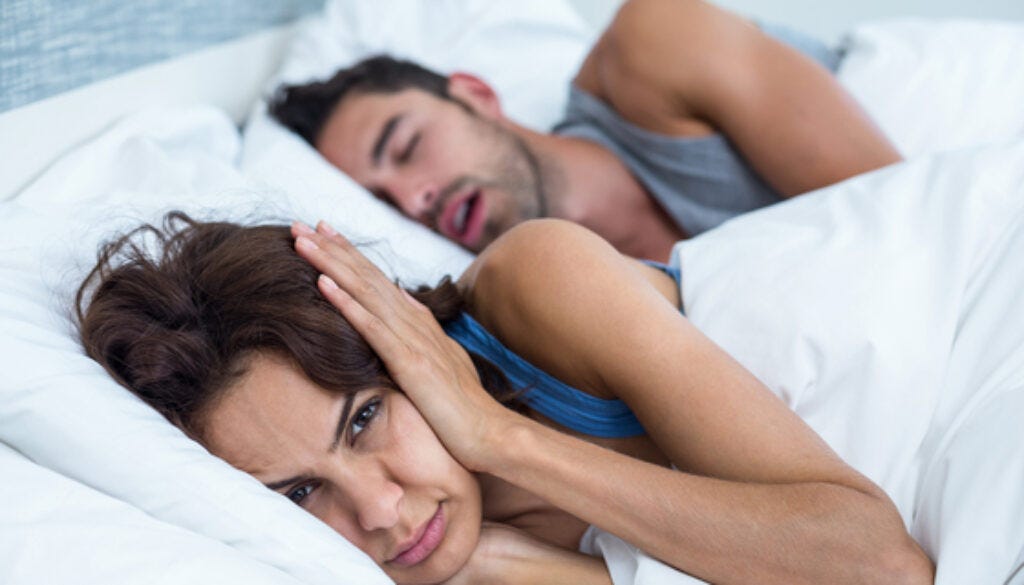
Snoring affects millions of people worldwide, disrupting sleep for both the snorer and their partners.
While many consider it merely an annoyance, it can also be a sign of more serious health issues.
And I often get popped the question… “Does Reviv fix snoring?”
To which my answer is that I do not view Reviv as a short-term fix to snoring. But I do think it fixes it in the longer term.
Let’s explore this question by first understanding what snoring actually is.
What exactly is snoring?
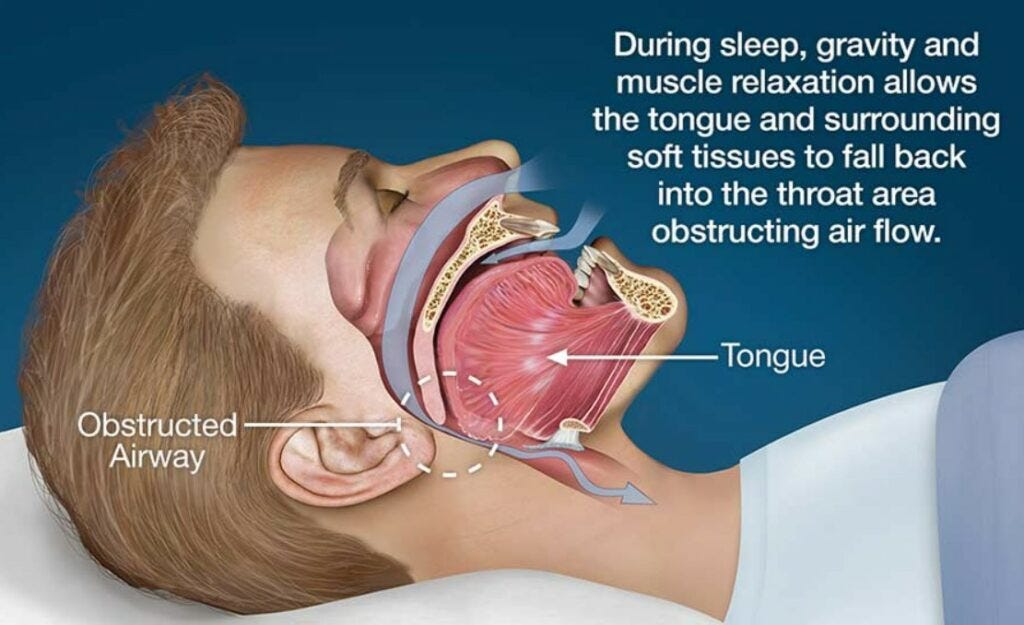
Snoring is the rattling sound that occurs during sleep when air flows past relaxed tissues in your throat, causing the tissues to vibrate.
The sound itself is produced when the airway becomes partially blocked or narrowed during sleep. This narrowing causes air to travel through a smaller space at greater pressure, vibrating the surrounding soft tissues - including the soft palate, uvula, tongue, and throat walls.
The greater the obstruction, the more forceful the airflow, and the louder the snoring.
Many people don’t realize that snoring is essentially the sound of your body struggling to breathe properly during sleep. It’s a warning sign that your airway is compromised in some way.
While conventional medicine often treats snoring as a standalone issue, it’s actually a symptom of a more fundamental structural problem involving your skull, jaw, and airway.

How prevalent is snoring these days?
Snoring has reached epidemic proportions, particularly in the United States.
According to recent statistics, approximately 90 million American adults snore at least occasionally, with about 37 million experiencing regular, habitual snoring. That’s nearly 30% of the adult population!
The numbers become even more striking when we look at sleep apnea, a serious condition often accompanied by snoring.
Sleep apnea has exploded in the US over recent decades, with approximately 30 million Americans now affected, and that number continues to grow rapidly.
The market for CPAP machines (devices used to treat sleep apnea) has skyrocketed, reflecting this alarming trend.
When we examine demographics:
men are more likely to snore than women, though women’s rates increase after menopause
age is another factor, with snoring becoming more common as we get older
among children, snoring affects approximately 10-12%, with higher rates in children who have enlarged tonsils or adenoids, or who are overweight
And this downward spiral has grown much faster in the past 20-30 years.
What are the common views on what causes it?
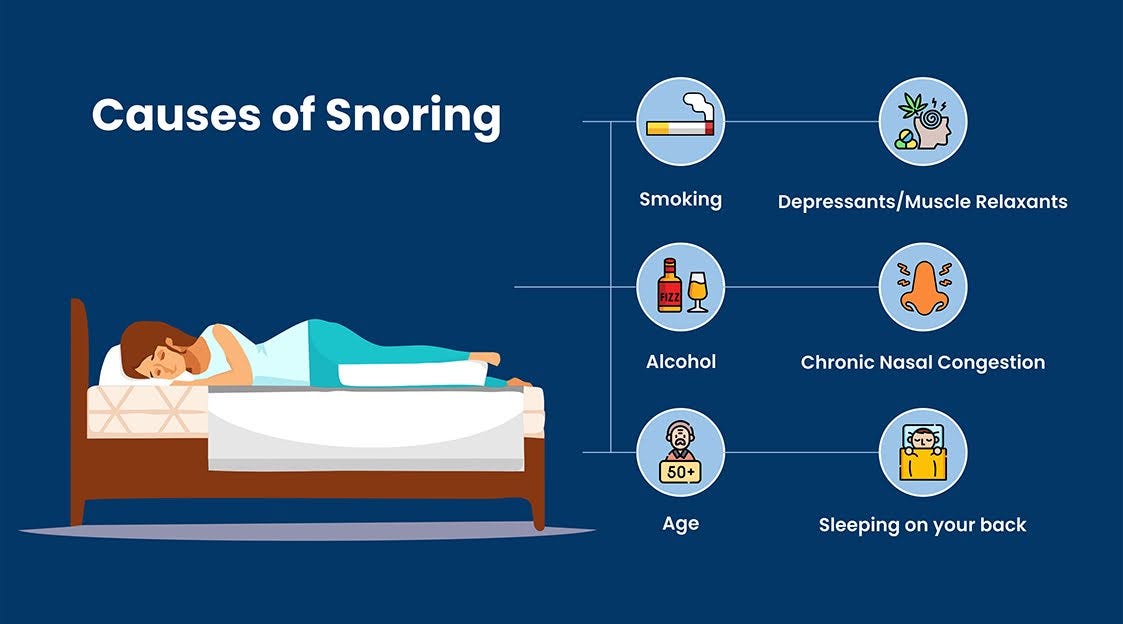
The medical establishment typically attributes snoring to several factors:
Anatomical features: A narrow airway, deviated septum, enlarged tonsils, or excess tissue in the throat are commonly cited causes. However, these explanations fail to address why some people have these features while others don’t.
Being overweight: Excess weight, particularly around the neck, can compress the airway during sleep. While this correlation exists, it doesn’t explain why thin people snore or why snoring has increased while smoking rates have decreased.
Age: As we get older, muscle tone decreases, including in the throat, potentially leading to more tissue vibration and snoring.
Sleeping position: Back sleeping allows the tongue to fall backward, potentially obstructing the airway.
Alcohol and sedatives: These relax throat muscles, increasing the likelihood of airway obstruction.
Nasal congestion: When you can’t breathe through your nose, you’re forced to breathe through your mouth, increasing the risk of snoring.
Genetics and family history: Some facial structures that contribute to snoring may be inherited.
I basically disagree that any of these things are the true root cause of snoring. Because the true root cause is biomechanics in my very strong view.
The skull and skeleton collapse and then that is the cause of many of the things you see above like the anatomical features, being overweight, and nasal congestion.
The rest of the things like age, alcohol and family history are just correlation in my view because those things tend to correlate with biomechanical collapse, which is the true root cause.
What are the common ways to treat it?
Traditional approaches to treating snoring include:
Lifestyle changes: Weight loss, avoiding alcohol before bedtime, changing sleep position, and establishing regular sleep patterns.
Over-the-counter remedies: Nasal strips, nasal dilators, and anti-snoring sprays that attempt to improve airflow.
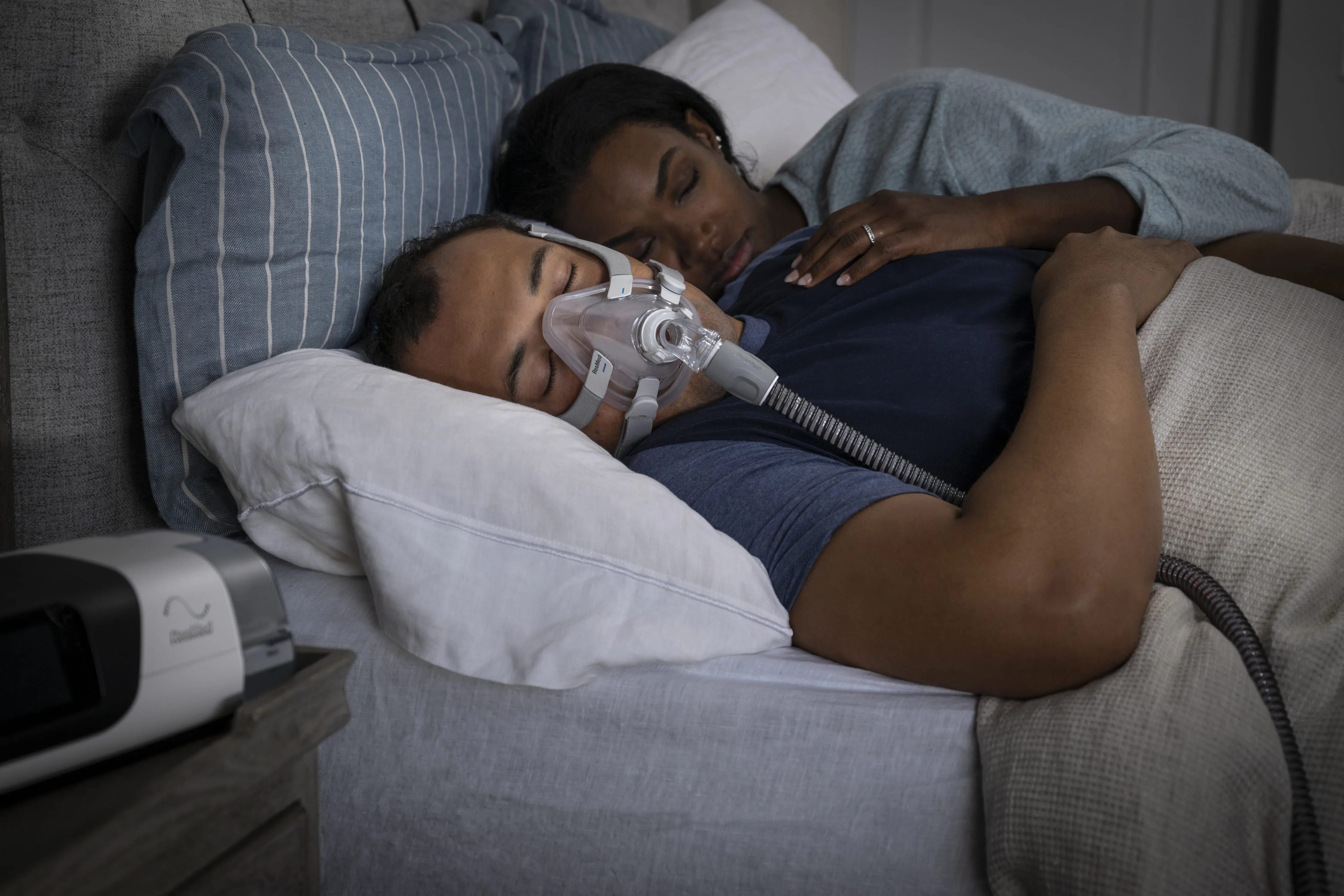
CPAP machines: Continuous Positive Airway Pressure machines force air through the airway to prevent collapse. While effective, they treat the symptom rather than the cause and require lifelong use.
Surgery: Procedures like uvulopalatopharyngoplasty (UPPP), which removes excess tissue in the throat, or septoplasty to fix a deviated septum. These invasive options have mixed results and potential complications.
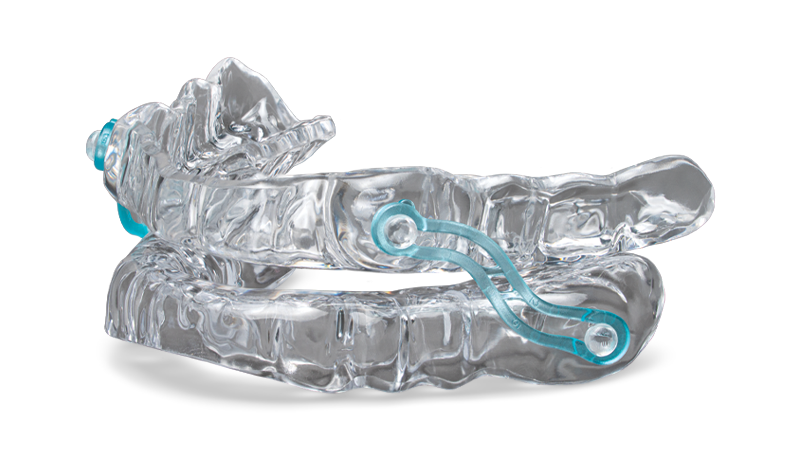
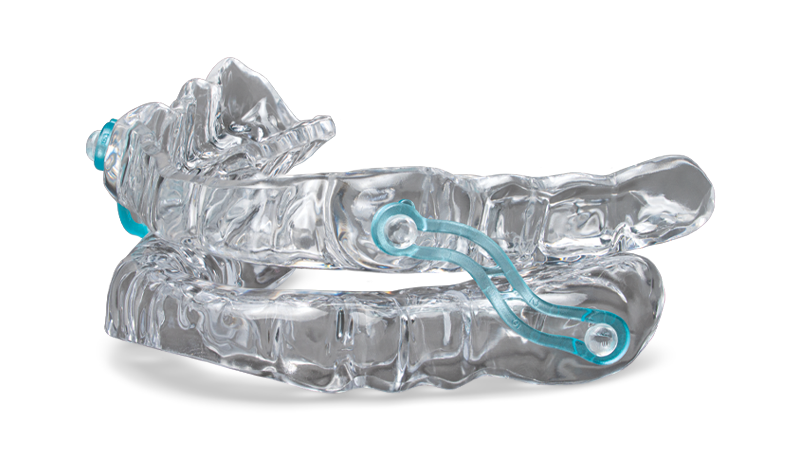
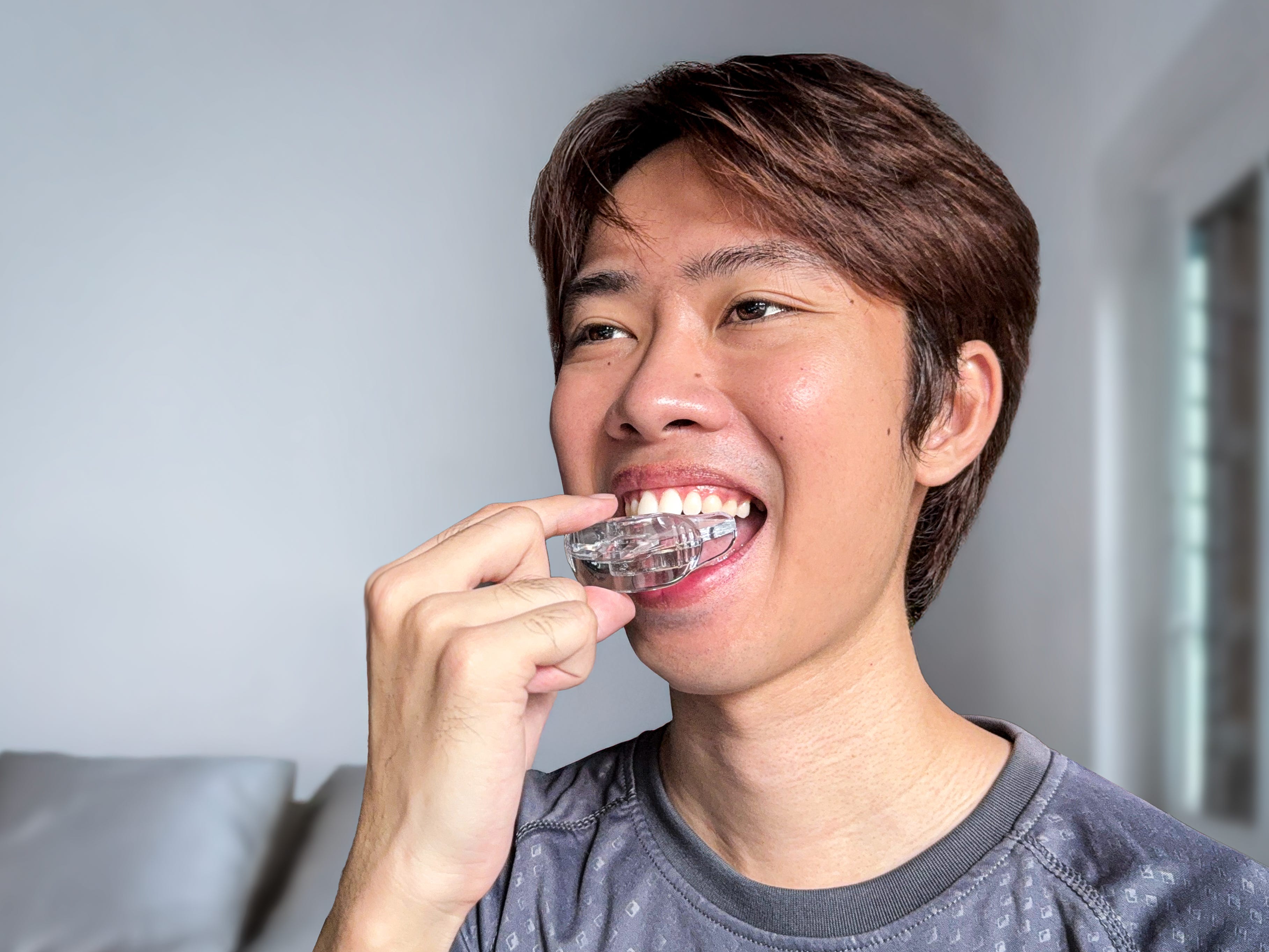
example of oral appliance Oral appliances: In recent years, oral appliances have grown significantly in popularity. These devices, prescribed by dentists, work by holding the jaw in a forward position to keep the airway open.
While this might help stop the snoring I view holding the jaw position forward to be very bad for biomechanics and would not be surprised if the health is declining in other ways on these folks that use appliances like this.
Does Reviv address snoring?
I view that Reviv addresses snoring in the long-term but not in the short-term.
Meaning if you are looking for a short-term fix to your snoring then Reviv is probably not your answer. Because the impact of these biomechanics on snoring is too non-linear in my experience.
For example I’ve been healing in a pretty straight line since late 2021 and there have been some periods where I snored heavily, some periods where I snored lightly and some periods where I didn’t snore at all (this is all according to my wife by the way).
And to be honest it did not happen in that order. Rather it has been a bit random.
I’d snore for awhile and then stop snoring. And then snore again. Even though I know that biomechanically I was improving that whole time (because function, posture and many other things were steadily improving).
I do think that when I take this to the ‘end’ that I will not be snoring at all. Ever.
And while that is more of a hunch based on the logic that i’ve seen over the years.. it is a hunch that I feel very very good about.
Because people with extremely good structure (think pro athletes, models, etc) probably rarely ever snore. And if your structure becomes perfect, which i’m confident is possible, then it doesn’t make sense that you would still snore.

Closing thoughts
So to wrap things up I do not agree with any of the causes or solutions to snoring that the modern medical system is peddling.
I think the causes are based on correlation.
And I think the solutions never address true root cause and so all of the people using those things are just covering up symptoms rather than fixing the problem.
Rather I think Reviv is the weapon of choice to fix snoring, but you need to take a long term approach.
Meaning maybe your snoring might not completely fix for even several years while you are going through this biomechanical process.
And while that may seem like a long time I am not saying that nothing is changing that entire time. Rather your function, your sleep and many other things will be consistently improving.
So play the long-game and focus on the root cause. And tell your partner to keep wearin’ those earplugs in the meantime :)
Im very fit. Not overweight. Young. Never drink alcohol. Yet I do snore, and I got/had crooked teeth before it was aestethically fixed with invisalign + reviv. I still snore. Definitely agree with you its about collapse.
I've started Reviv recently after palate expander treatment. For a while I was wearing the expander and a snoreMD which actually stopped my loud snoring.
Do you think a reviv x snoremd hybrid mouthguard could work? I guess the snoring appliances lock the lower jaw in place, which is at odds with what Reviv is trying to achieve though. 🤔
I would be interested in your thoughts.
Also, do you think the R2 alleviates snoring more than R1 or about the same?