
Does osteopathy help?
Many patients have tried osteopathy, particularly if they are using the ALF appliance. Is it useful?

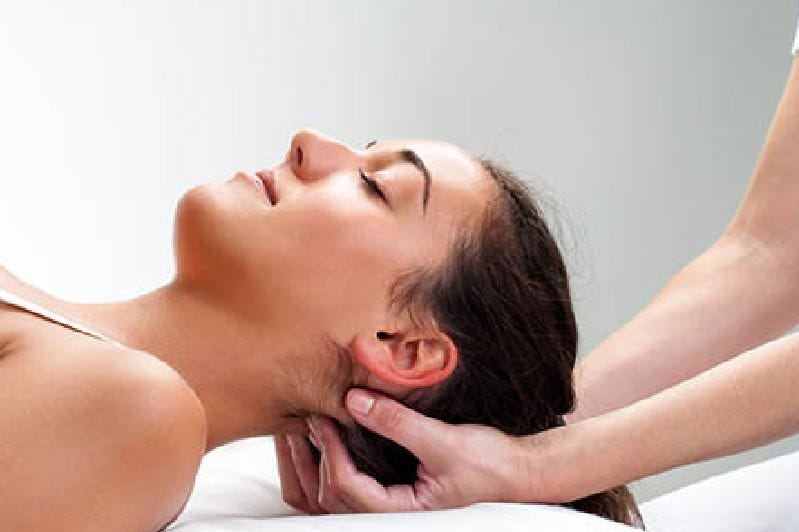
Here is the youtube version
Now onto the article..
Osteopathy is something i went deep into starting about 2016.
Mainly because I had started using the ALF appliance at that time and ALF dentists typically worked hand-in-hand with osteopaths.
So i’d assumed that osteopathy was a key pillar to the healing process and I went to osteopaths on and off for the next four years until 2020.
I even went out of may way to see some very very good ones.
But I now consider that to have been a complete waste of time and money.
And today I will explain why.
What is the idea behind osteopathy?
Osteopathy is a type of alternative medicine that emphasizes the treatment of medical disorders through the manipulation and massage of the musculoskeletal system.
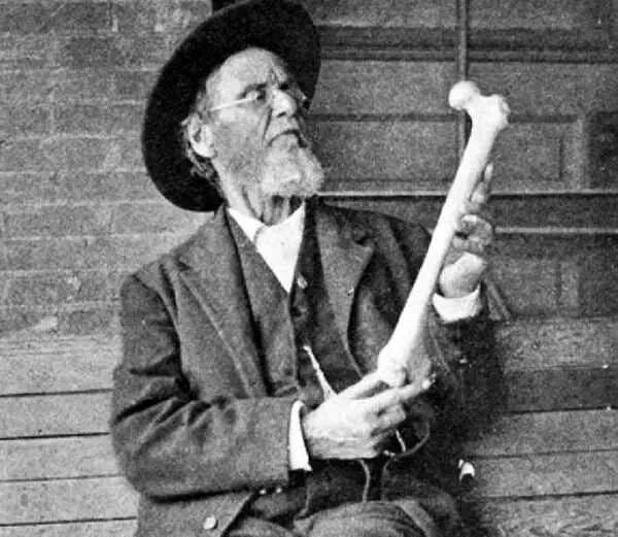
Osteopathy was founded by Dr. Andrew Taylor Still (pictured above) in the late 19th century. A physician and surgeon, Still developed osteopathy in response to his dissatisfaction with the conventional medical practices of his time, particularly the over-reliance on drugs and ineffective treatments.
It is based on the idea that the body's structure and function are interconnected, and that proper alignment of the bones, muscles, and connective tissues can help the body heal itself without the need for drugs or surgery.
Also it is important to note that osteopathy was in fact more popular than ‘allopathy’, the treatment of disease by conventional means, at that time in the late 19th century.
Meaning it was more common back then to do osteopathy then the stuff they do in the hospital these days.
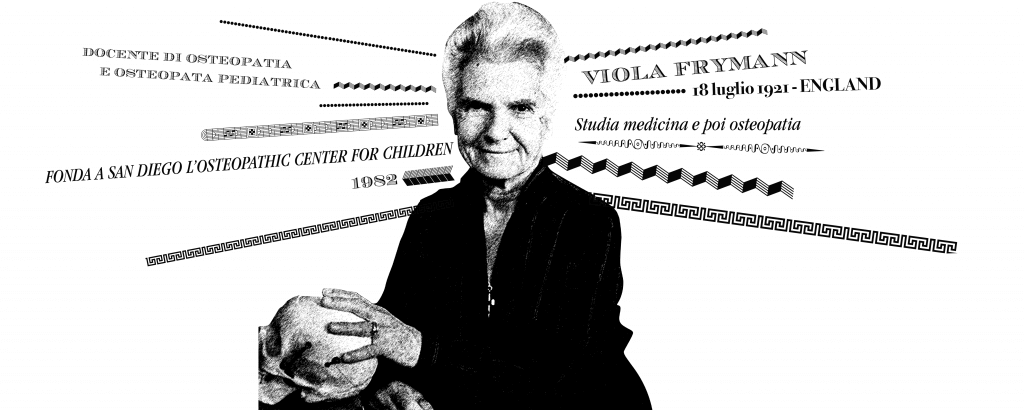
Key Principles of Osteopathy
The principles of Osteopathy are something that I very much share and think apply to my approach as well. On this part we are 100% aligned.
Holistic Approach: Osteopathy treats the body as a whole, not just focusing on specific symptoms or illnesses. The belief is that imbalances or dysfunctions in one part of the body can affect other areas.
Body's Ability to Self-Heal: Osteopaths believe that the body has an innate ability to heal itself, and their treatments aim to support and enhance this process.
Interconnection of Structure and Function: Proper alignment and functioning of the musculoskeletal system are thought to play a crucial role in overall health. Osteopaths focus on improving joint mobility, releasing tension, and promoting circulation.
My deep dive into osteopathy
So I was studying osteopathy pretty heavily in 2017-2018 when I was living in Boston. I was seeing a pretty good one in Boston with my son every few weeks and also studying it on my own.
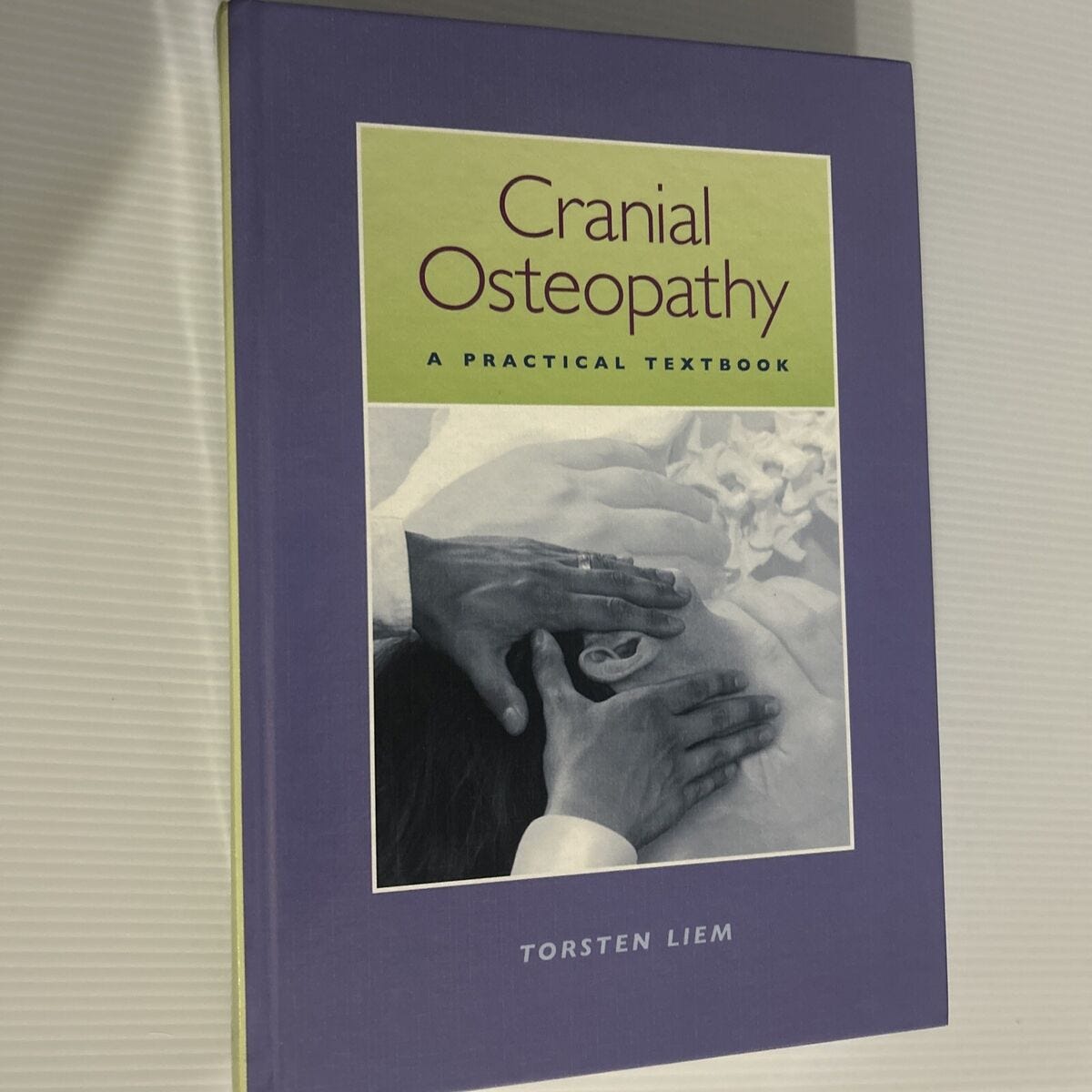
I’d borrow osteopathy textbooks from the shelf of my osteopath and then return it on my next visit.
I found it fascinating at the time and wanted to understand how it fit in.
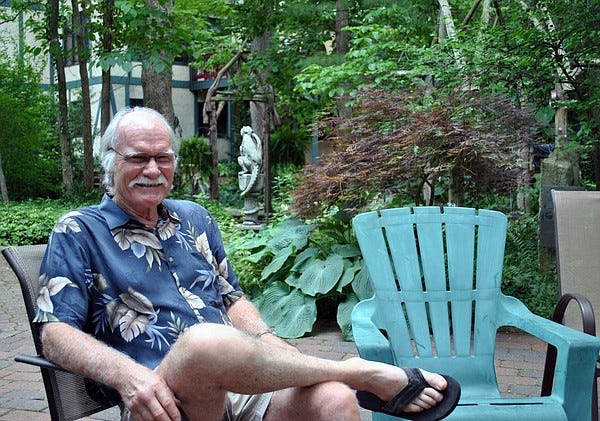
Plus I went to visit Jim Jecmen in Missouri with my family 2x back in 2018. It was a pretty big hike from where we lived in Boston but at the time I thought he had like super healing powers.
As i’d heard quite a bit about him on various Facebook groups. In part because he was not just a well known osteopath but also a career orthodontist.
And so supposably he understood how these two worlds connected.

What is my view on how this stuff works?
Now let me recap on how I think these biomechanics work. I believe it is all about soft tissue.
The assumption is that muscles and the skeleton mean almost nothing. They are useless without thinking of the soft tissue at first.
Meaning that anything you do to relax muscles (eg. massages, neuromuscular dentistry where they relax jaw muscles, etc) is completely useless.
Also meaning that anything you do to move the skeleton without changing soft tissue (eg. osteopathy, chiropractic) is also completely useless.
Why? Because the soft tissue is what wraps around the skeleton and the muscles and is what holds their position. In your body but also in your jaw, neck and in your skull.
You do not permanently change the length of muscles or the position of the skeleton without changing soft tissue (ie. fascia, skin etc).
And the way that you stretch the soft tissue is via my two principles:
1- add vertical
2- non-locking occlusion
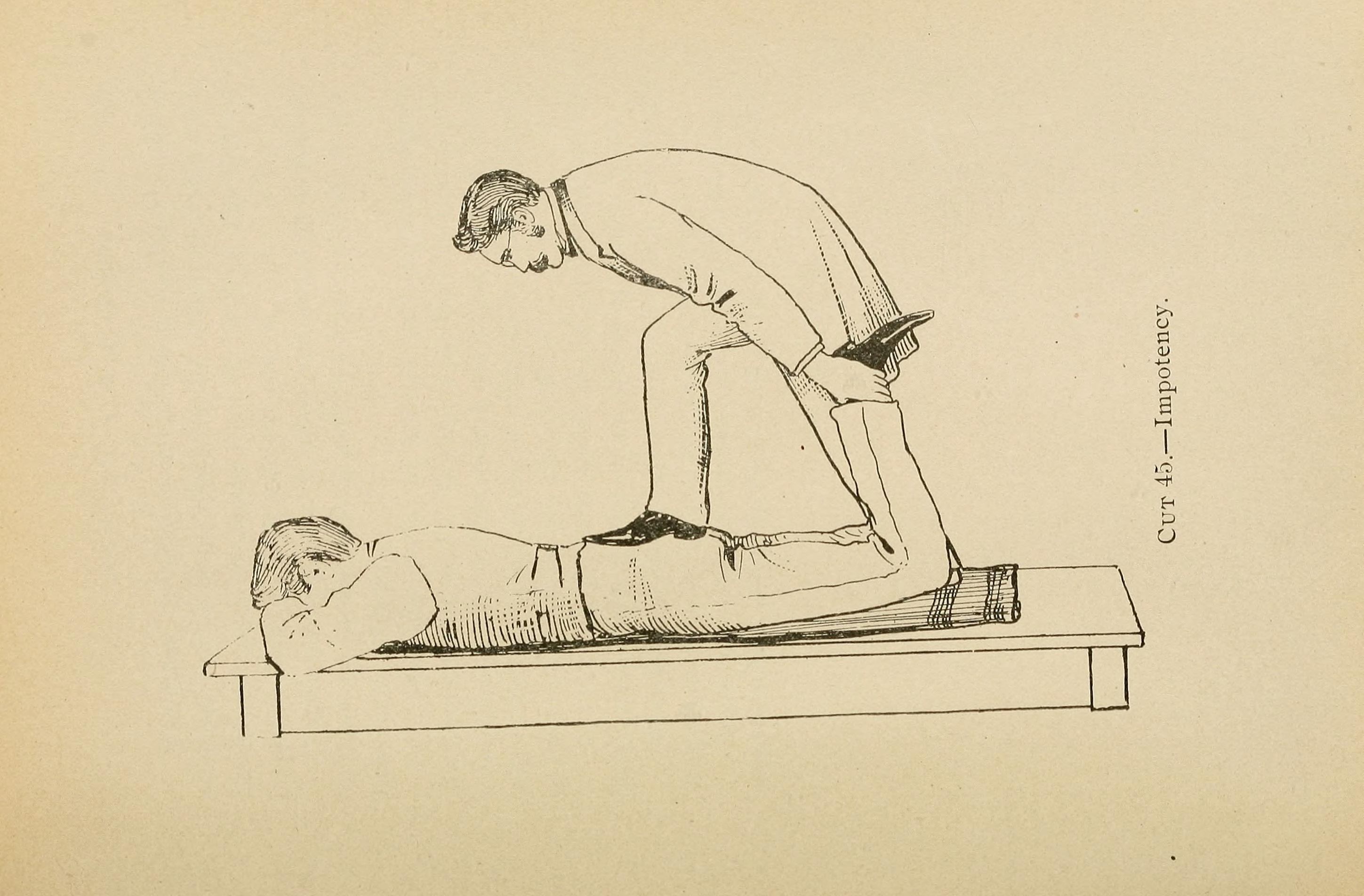
So if soft tissue is key, then how does osteopathy fit in?
Well as mentioned above… I consider osteopathy pretty much useless now.
As in all that effort and money spent was a complete and utter waste of time.
Am I saying that osteopathy as a science is completely useless?
No.
I think it is useful when damage was done to the body recently. For example an accident or getting hit in the head.
In these cases the short tissue has not changed. The structure (eg. bones) was simply knocked out of position by some force.
And therefore you can use manual manipulation to put the structures back into position.
This is also what I concluded when reading about the success cases of osteopathy. Some brilliant results were achieved when treating people that had accidents, like auto accidents.
But there was very little documented evidence of strong results when it was dealing with conditions that were present for many years.
And with my understanding of how the soft tissue works now… this makes complete sense now.

So to conclude…
Do not waste your time and money on osteopathy.
I expect to achieve a perfect body, health and facial symmetry having done no manual manipulation at all.
Stuff shifts on its own as you stretch the soft tissue.
Last week as I was walking in Tokyo my arches were releasing and I now have nice arches in my feet again.
Did i do any manipulation to make that happen?
No! The shit just happened on its own.
The same as is happening in various other parts of my body for a couple of years now.
And that is just how it works from my perspective!